

PRODUCTS
CONTACT US
TEL: +86-532-85754589,85775618
FAX: E-Mail
E-MAIL: tlead.net@gmail.com; tlead.net@hotmail.com

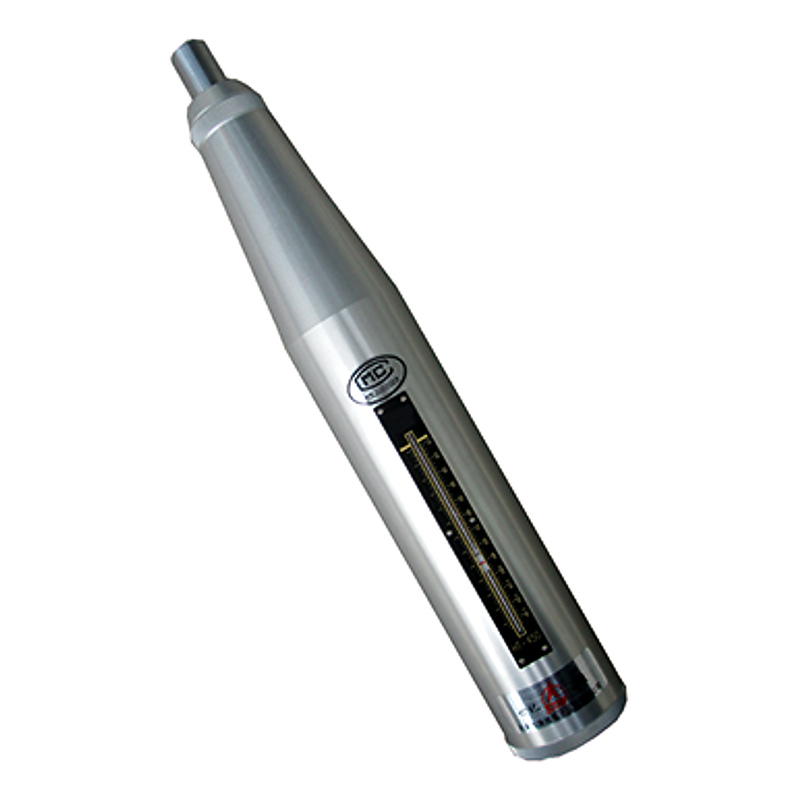
Mechanical rebound testing for high-strength concrete from 20 to 110 MPa
Keywords: HT-450 high-strength concrete test hammer, high-strength concrete rebound hammer, concrete test hammer 20–110 MPa, C50–C100 concrete strength tester, bridge concrete rebound tester
The HT-450 high-strength concrete test hammer is designed to assess the compressive strength of high-strength concrete in building and bridge structures. Its 4.5 J impact energy and 20–110 MPa test range make it suitable for C50–C100 concrete. This mechanical concrete rebound hammer supports field evaluations of high-rise building components, bridges, and other concrete structures using the rebound method.

1. Measures concrete rebound values across a 20–110 MPa test range.
2. Uses 4.5 J standard impact energy for high-strength concrete testing.
3. Suitable for C50–C100 concrete applications.
4. Designed for strength assessment of high-rise building and bridge components.
5. Mechanical pointer scale supports direct readings during field inspections.
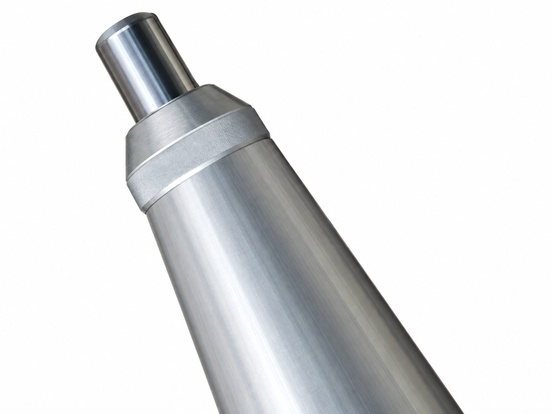
Impact plunger and front housing | 
Rebound scale and indicator |
| Parameter | Specification |
|---|---|
| Product model | HT-450 |
| Test range | 20–110 MPa |
| Applicable concrete strength class | C50–C100 |
| Standard impact energy | 4.5 J (1 kgf·m) |
| Impact stroke | 100 ± 0.5 mm |
| Tension spring stiffness | 900 ± 40 N/m |
| Calibration value on test anvil | 88 ± 2 |
| Dimensions | 430 × 64 mm (length × diameter) |
| Weight | 3 kg |
| Rebound hammer verification standard | JJG 817-2011 |
| High-strength concrete test reference | JGJ/T 294-2013 |
| Related concrete quality standards | GB 50204; GB/T 50107 |
1. High-strength concrete assessment in high-rise buildings.
2. Rebound testing of bridges and bridge components.
3. Field inspection of concrete components such as slabs, beams, and columns.